I Spent a Month Borrowing Luck From Around the World (Grapes, Dishes, and One Very Smiling Cat)
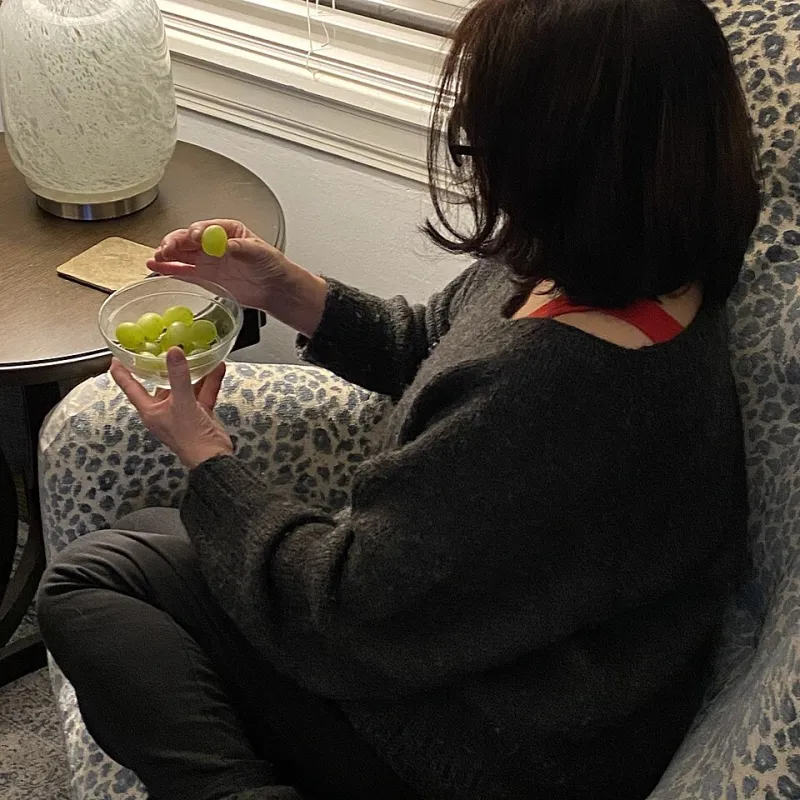
Photo: Valereee, CC BY-SA 4.0, via Wikimedia Commons
I want to be clear from the start: I did not become a lottery winner during this experiment. No publisher called about my memoir. No stranger handed me keys to a boat.
And yet, thirty days of borrowed luck traditions from around the world left me genuinely convinced that some of this stuff works — just not the way the superstitions claim. Let me walk you through it.
Week One: Twelve Grapes Under a Table
The Spanish tradition, las doce uvas de la suerte, asks you to eat one grape per chime at midnight on New Year's Eve. Each grape is a month of the coming year. Miss a grape, and — depending on who's telling it — you've jinxed the corresponding month. Some versions add a flourish: eat them under a table for extra love luck.
So there I was, on December 31st, crouched under my dining table at 11:58 p.m., a bowl of twelve green grapes in my lap, my partner filming from a safe distance. The grapes were seedless (a modern mercy), but twelve chimes come fast. It's less a ritual than a competitive eating event.
What changed: honestly, nothing mystical. But I laughed harder that night than I had all month, and I started the year with a story. That's not nothing.
Week Two: The Danish Plate Smash
In Denmark, people save up old dishes all year and hurl them at the doors of friends and neighbors on New Year's Eve. A doorstep full of shattered porcelain means you're well-loved. Finding a pile of your own broken plates at midnight is, apparently, a compliment.
I couldn't throw dishes at my neighbors' doors without a lengthy conversation with my HOA, so I adapted: one chipped mug, ceremonially sacrificed into a paper bag in my kitchen, with a note about which friendship I was grateful for.
What changed: the note part. Naming a specific person I valued — and telling them — did more for my mood than any grape ever could. The smash was just punctuation.
Week Three: The Cat on My Desk
The Japanese maneki-neko, the beckoning cat, sits in shop windows across Japan with one paw raised, waving good fortune toward the door. I bought a small one and put it on my desk, next to the monitor, where it has been waving at me through every video call since.
What changed: more than I expected, and entirely for silly reasons. The cat is a visual interrupt. Every time I spiraled into a bad-mood doomscroll, my eyes snagged on a small ceramic animal cheerfully waving at nothing, and my brain hit reset. It's a $12 pattern-breaker. Psychologists would call it an environmental cue. I call it a cat.
Week Four: Bringing It Home
By the final week, I'd stopped treating the rituals as experiments and started treating them as tools. I ate twelve of something on a Monday. I thanked a friend in writing. I let the cat wave.
Here's what I actually learned, and I think it's the real reason these traditions survive centuries and oceans:
They make luck a verb. Every ritual forces you to do something — eat, smash, wave, thank. Superstition is passive; ritual is active. And people who act notice more, try more, and connect more.
They manufacture stories. 'I ate grapes under a table' is a conversation starter that outperforms any elevator pitch. Stories bond people, and bonded people share opportunities.
They mark time as hopeful. There's something quietly powerful about a calendar full of moments that assume good things are coming.
Try It Before the Ball Drops
If you take one thing from my month of borrowed luck, make it this: pick a tradition, any tradition, and do it badly with someone you like. Burn the grapes. Miss the chimes. Smash the wrong mug.
The luck was never in the grape or the plate or the cat. It's in the doing — and in the people who end up doing it with you.